[fusion_builder_container type=”flex” hundred_percent=”no” equal_height_columns=”no” hide_on_mobile=”small-visibility,medium-visibility,large-visibility” background_position=”center center” background_repeat=”no-repeat” fade=”no” background_parallax=”none” parallax_speed=”0.3″ video_aspect_ratio=”16:9″ video_loop=”yes” video_mute=”yes” border_style=”solid”][fusion_builder_row][fusion_builder_column type=”1_1″ layout=”1_1″ background_position=”left top” border_style=”solid” border_position=”all” spacing=”yes” background_repeat=”no-repeat” margin_top=”0px” margin_bottom=”0px” animation_speed=”0.3″ animation_direction=”left” hide_on_mobile=”small-visibility,medium-visibility,large-visibility” center_content=”no” last=”true” hover_type=”none” min_height=”” link=”” background_blend_mode=”overlay” first=”true”][fusion_text columns=”” column_min_width=”” column_spacing=”” rule_style=”” rule_size=”” rule_color=”” hue=”” saturation=”” lightness=”” alpha=”” user_select=”” awb-switch-editor-focus=”” content_alignment_medium=”” content_alignment_small=”” content_alignment=”” disable_idd=”no” hide_on_mobile=”small-visibility,medium-visibility,large-visibility” sticky_display=”normal,sticky” class=”” id=”” html_attributes=”W10=” width_medium=”” width_small=”” width=”” min_width_medium=”” min_width_small=”” min_width=”” max_width_medium=”” max_width_small=”” max_width=”” margin_top_medium=”” margin_right_medium=”” margin_bottom_medium=”” margin_left_medium=”” margin_top_small=”” margin_right_small=”” margin_bottom_small=”” margin_left_small=”” margin_top=”” margin_right=”” margin_bottom=”” margin_left=”” fusion_font_family_text_font=”” fusion_font_variant_text_font=”” font_size=”” line_height=”” letter_spacing=”” text_transform=”” text_color=”” render_logics=”” logics=”” animation_type=”” animation_direction=”left” animation_color=”” animation_speed=”0.3″ animation_delay=”0″ animation_offset=””]
When a furniture importer discovered 200 damaged dining sets upon arrival in Los Angeles—products that had passed pre-shipment inspection perfectly—the investigation revealed a preventable catastrophe: workers had stacked heavy boxes on top of fragile cartons during container loading, crushing products worth $87,000. A $280 Container Loading Supervision service would have caught this error before the container was sealed, saving tens of thousands in losses, customer disappointments, and insurance claims.
For importers of mechanical parts, consumer goods, electronics, furniture, or garments, Container Loading Supervision (CLS) represents the final checkpoint where you can prevent problems before products leave your supplier’s control. Understanding when this service makes sense—and the costly implications of skipping it—can mean the difference between profitable shipments and devastating losses.
What Container Loading Supervision Actually Covers
Container Loading Supervision is a specialized inspection service performed as products are being loaded into shipping containers, focusing on three critical areas: container condition, loading process, and quantity verification. Unlike pre-shipment inspections that assess product quality, CLS ensures that quality products survive the journey to your warehouse.
Container Condition Verification
Professional inspectors begin by thoroughly examining the container itself before any products are loaded. This includes checking for structural integrity without holes, cracks, or weak spots, interior cleanliness free from debris, insects, or vermin, moisture and water damage including roof leaks or floor dampness, unusual odors suggesting contamination or previous hazardous cargo, and proper functioning of container doors including locks and seals.
A container in poor condition can destroy perfect products during transit. Water intrusion ruins electronics and damages packaging. Contaminated containers can taint garments or furniture. Structural weaknesses allow cargo to shift dangerously during transport.
Loading Process Supervision
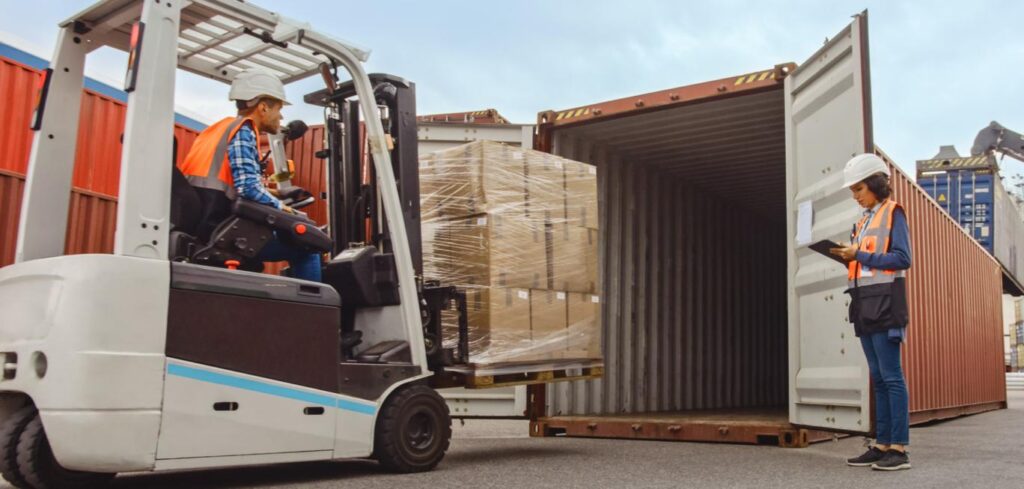
Once container condition is verified acceptable, inspectors monitor the entire loading process ensuring that proper stacking techniques prevent crushing or damage, weight distribution is balanced to prevent container tipping or transport issues, securing methods including straps, dunnage, or bracing prevent cargo movement, adequate spacing between items allows for thermal expansion, and fragile items receive appropriate protection and positioning.
For furniture shipments, proper loading prevents scratching, denting, and crushing of finished surfaces. For electronics, secure positioning prevents impact damage to sensitive components. For mechanical parts, appropriate securing prevents scratching of precision surfaces. For garments, proper stacking prevents wrinkling and crushing of hanging items.
Quantity and Product Verification
Inspectors verify that the exact products from the approved pre-shipment inspection are actually being loaded with carton markings and labels matching packing lists, correct product styles, colors, and specifications being loaded, accurate quantity counts preventing shortages, and no unauthorized substitutions or additional products included.
This verification prevents common issues including suppliers loading rejected products that failed inspection, mixing different purchase orders in a single container, short-shipping quantities while providing full documentation, or attempting to include unauthorized products hoping they’ll go unnoticed.
Who Should Use Container Loading Supervision
CLS isn’t necessary for every shipment—but certain situations dramatically increase its value.
High-Value Shipments
When container contents exceed $50,000-$100,000 in value, the cost of CLS becomes insignificant insurance. A single damaged pallet can cost more than dozens of loading supervisions. For importers shipping electronics, furniture, or mechanical parts with high unit values, CLS provides proportional protection against disproportionate losses.
Fragile or Damage-Prone Products
Products susceptible to damage during handling or transit benefit enormously from loading supervision. This includes glass or ceramic items requiring careful stacking, furniture with finished surfaces that scratch easily, electronics sensitive to impact or moisture, mechanical parts with precision surfaces, and garments requiring hanging or careful folding to prevent damage.
For these categories, improper loading causes more quality problems than manufacturing defects. CLS addresses the vulnerability point where perfect products become damaged goods.
Full Container Loads (FCL)
When you’ve filled an entire container rather than sharing space in LCL consolidation, you control the loading process—but this also means you’re responsible for loading quality. FCL shipments justify CLS investment because the entire container’s contents represent your inventory, improper loading affects all products uniformly, and you have authority to require specific loading procedures.
New or Unproven Suppliers
Suppliers without established track records may lack experience in proper export packing and container loading. New relationships benefit from CLS to verify suppliers understand and follow correct procedures, identify training needs before they cause costly problems, and establish expectations for future shipments.
After several successful shipments with consistent loading quality, CLS frequency might be reduced. For initial shipments, it’s essential verification.
Products with Specific Loading Requirements
Certain products demand specialized loading techniques that standard warehouse workers may not understand including weight-sensitive items requiring specific stacking heights, products with specific orientation requirements like “this side up”, items requiring climate control during loading, products with regulatory requirements for securing or separation, and goods requiring specific container stuffing patterns to maximize space.
If you’ve provided detailed loading instructions to suppliers, CLS verifies they’re actually following them rather than improvising.
What CLS Prevents: The Costly Consequences of Skipping Supervision
Understanding what can go wrong without CLS helps justify the investment in prevention.
Cargo Damage During Transit
The most common consequence of poor loading is product damage during shipping. Improperly secured cargo shifts during ocean transport, causing products to crash into each other, cartons to topple and crush lower layers, straps or bracing to fail under movement stress, and heavy items to damage lighter products.
Importers discover these problems only upon arrival—after paying freight, insurance, and tariffs on damaged goods. For a $50,000 shipment, even 10% damage represents $5,000 in losses plus the cost of replacing or disposing of damaged products.
Quantity Discrepancies and Short Shipments
Without independent verification, suppliers might short-ship quantities while providing documentation claiming full shipment. This becomes difficult to prove after the fact, leading to disputes about whether shortages resulted from theft during transit, mistakes at origin, or deliberate short-shipping.
CLS provides documented proof of exactly what was loaded, with photographs and carton counts that establish baseline quantities before the container left supplier control.
Wrong Products or Specifications
Suppliers sometimes load wrong products hoping you won’t notice until after payment clears, especially if different specifications look similar externally. Without CLS, you might receive the wrong colors, sizes, models, or specifications, discover the error only after products reach your warehouse, face disputes with suppliers claiming they shipped correctly, and have no photographic evidence of what was actually loaded.
Contaminated or Damaged Containers
Containers that previously carried chemicals, foodstuffs, or other materials can contaminate your products with odors that make them unsaleable, moisture that damages packaging or products, or residues that stain or corrode items.
Discovering contamination after paying freight and customs duties means those costs are wasted on worthless products. CLS catches contaminated containers before loading begins, allowing rejection and replacement while products remain at the supplier.
Unauthorized Products or Grey Market Goods
Some suppliers attempt to include unauthorized products in your shipments to use your freight capacity or slip products past customs under your documentation. This creates customs complications, liability issues if unauthorized products are seized, and disputes over who owns or must pay for the extra goods.
CLS prevents these problems by documenting exactly what was loaded with authorization.
The Economics: When CLS Investment Makes Sense
Container Loading Supervision typically costs $250-$400 depending on location, container quantity, and inspection duration. Evaluating this cost against potential losses reveals the service’s value proposition.
Cost-Benefit Analysis
Consider a typical scenario: you’re importing a $60,000 container of furniture from Vietnam. Without CLS, risks include 5-10% damage from improper loading ($3,000-$6,000 potential loss), quantity discrepancies of 2-5% ($1,200-$3,000), contamination or container issues (potentially total loss of $60,000), and disputes with suppliers costing time and relationship damage.
A $320 CLS service that prevents any of these problems delivers ROI of 9:1 to 187:1. Even if CLS prevents problems in only one of every five shipments, it remains cost-effective.
Frequency Recommendations
Not every shipment requires CLS, but implement it strategically for all shipments from new suppliers until track record is established, high-value containers exceeding $50,000, fragile or damage-prone product categories, shipments with specific loading requirements, and whenever pre-shipment inspection identified issues that were corrected.
For established suppliers with consistent performance, CLS might be conducted quarterly or on random shipments to maintain accountability while reducing costs.
How Professional CLS Works
Professional inspection companies follow structured processes ensuring thorough, consistent supervision.
Pre-Loading Documentation Review
Inspectors arrive before loading begins and review packing lists and shipping documentation, your specific loading instructions or container stuffing plans, container booking confirmations and specifications, and previous inspection reports noting any special requirements.
This preparation ensures inspectors know exactly what should be loaded and how.
Container Inspection and Approval
Before any products enter the container, inspectors conduct comprehensive container checks and photograph the empty container from multiple angles, measure interior dimensions if custom loading plans are involved, test door functionality and sealing mechanisms, and approve or reject the container for loading.
If containers are rejected, suppliers must provide alternatives before loading proceeds, preventing contamination or damage issues.
Active Loading Supervision
Throughout the loading process, inspectors verify proper stacking and securing techniques, correct products and quantities being loaded per packing list, adequate protection and spacing between items, compliance with any specific loading instructions provided, and appropriate handling by loading workers.
Inspectors intervene immediately if improper loading is observed, requiring corrections before continuing rather than documenting problems after the container is sealed.
Sealing and Final Documentation
After loading completion, inspectors verify the container is properly sealed with tamper-evident seals, document seal numbers on inspection reports, photograph the sealed container, and issue comprehensive reports within 24 hours including detailed findings, photographs documenting the loading process, and confirmation that loading met requirements or noting any deviations.
This documentation provides proof of what was loaded and how, protecting against future disputes.
Working with Professional Inspection Companies
Leading quality control providers including QIMA, Pro QC, HQTS, and V-Trust offer comprehensive Container Loading Supervision services across global manufacturing regions. These companies maintain networks of trained inspectors who understand proper loading procedures for different product categories, recognize common problems and can require corrections, and provide consistent documentation meeting international standards.
When booking CLS services, provide detailed packing lists and product specifications, any specific loading instructions or container stuffing plans, contact information for the responsible person at the loading site, and at least 3-5 days advance notice to ensure inspector availability.
The modest investment in professional CLS—typically $250-$400—provides final verification that your quality products will arrive in quality condition.
The Final Checkpoint You Can’t Afford to Skip
Container Loading Supervision represents your last opportunity to prevent problems before products leave your supplier’s control. Once that container is sealed and begins its journey across oceans, you’ve lost the ability to inspect, correct, or even verify what was actually shipped.
For importers of mechanical parts, consumer goods, electronics, furniture, and garments, the question isn’t whether CLS provides value—it’s whether you can afford the consequences of skipping it. Damaged products that passed inspection, quantity shortages you can’t prove, contaminated containers that ruin shipments, and unauthorized products that create customs nightmares all result from inadequate loading supervision.
At $250-$400 per container, CLS costs less than 1% of most shipment values while protecting against losses exceeding 10-20%. For high-value, fragile, or risk-prone shipments, it’s not optional—it’s essential insurance that pays for itself by preventing disasters you never discover until arrival.
[/fusion_text][/fusion_builder_column][/fusion_builder_row][/fusion_builder_container]