
China has solidified its position as the world’s leading manufacturing powerhouse, dominating diverse industries and serving as the backbone of global supply chains. Despite its advanced manufacturing capabilities, ensuring consistent product quality and compliance with international standards presents ongoing challenges within this vast and complex industrial ecosystem. This is where professional quality control and assurance services prove indispensable. Through comprehensive inspections and audits conducted by experienced QA/QC service providers, global buyers verify that their products meet exacting specifications and adhere to stringent international quality standards.
China is renowned for its advanced manufacturing capabilities, encompassing industries such as electronics, machinery, and precision engineering. The country is home to numerous industry leaders and is a cornerstone of the global supply chain.
China is a major exporter of consumer electronics, including smartphones, laptops, and a wide range of electronic gadgets.
China produces an extensive range of textiles, garments, and fashion products. The textile industry is characterized by its scale, innovation, and diverse product offerings.
China is a significant producer of automobiles and automotive components, manufacturing a broad spectrum of vehicles and parts. The country's automotive industry is known for its growth and innovation.
China's pharmaceutical industry is a rapidly expanding sector, producing a diverse array of medicines and healthcare products. The country is gaining recognition for its contributions to the global pharmaceutical market.
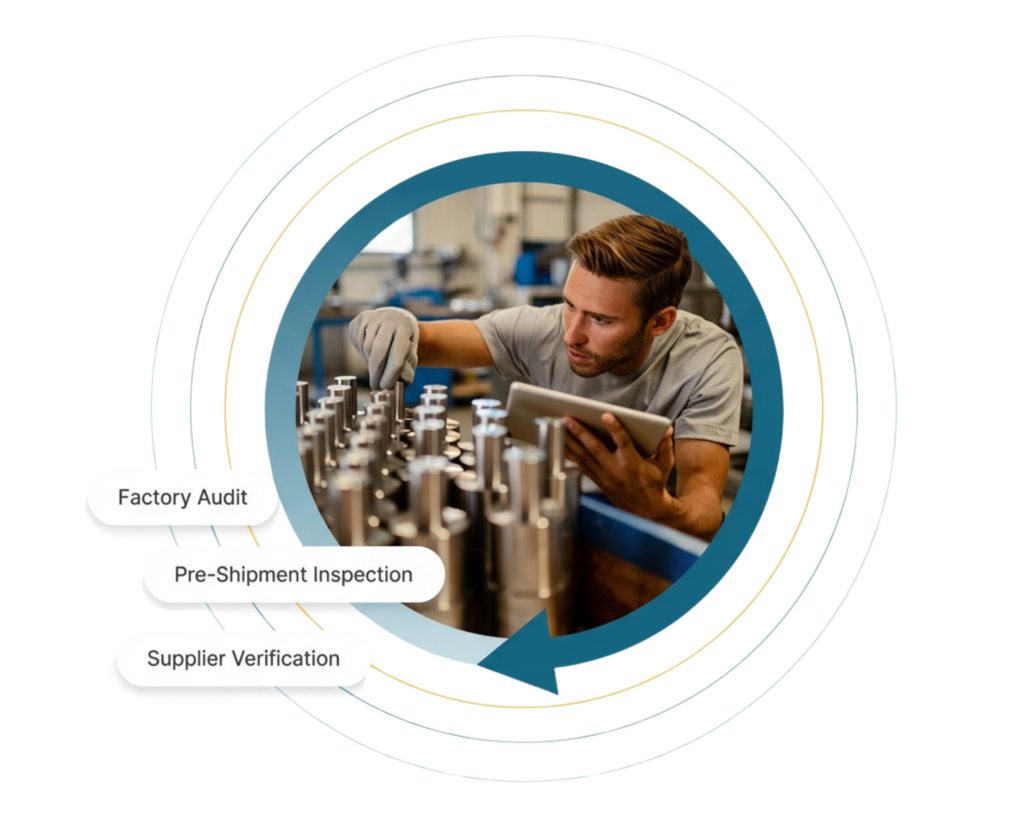
Pre-Shipment Inspections are carried out when production is complete and goods are prepared for shipment. These assessments involve a comprehensive examination of product quality, quantity, packaging, labeling, and adherence to relevant regulations. Importers rely on pre-shipment inspections to minimize risks and make informed decisions prior to accepting goods deliveries.
In-Process Inspections are crucial quality control assessments conducted at various stages of manufacturing or production. These checks are essential for monitoring product quality, identifying defects or deviations from standards, and ensuring prompt corrective actions. By inspecting components or products during production, companies can reduce the risk of costly defects, enhance overall product quality, and maintain consistency in their output, ultimately leading to higher customer satisfaction and operational efficiency.
A First Article Inspection is a comprehensive quality assurance procedure applied in manufacturing, particularly in industries like aerospace and automotive. It involves a detailed examination of the first production unit, the "first article," from a new design or manufacturing process. FAIs ensure that the initial item adheres to engineering specifications, drawing requirements, and quality standards before mass production begins. This meticulous evaluation helps identify potential issues early, reduces the risk of costly rework or recalls, and guarantees product compliance with design and regulatory standards, instilling confidence in the manufacturing process and the quality of the end product.
Container loading supervision involves monitoring the loading process to prevent damage, improper handling, or contamination during transportation. This service ensures that product integrity is maintained from the factory to the final destination, reducing the risk of damage and ensuring proper handling and securing of goods within containers.
Sort or sorting inspections are critical quality control activities involving the systematic examination and categorization of products or components based on predefined criteria. These inspections usually occur after production and are used to separate items into different groups, such as acceptable and defective units. Sorting inspections are essential for identifying and isolating defects or non-conforming items, ensuring that only high-quality products reach customers or further processing stages. This process helps maintain product integrity, meet quality standards, and prevent subpar goods from reaching the market, thus safeguarding a company's reputation and customer satisfaction.
Supplier verifications involve confirming the legitimacy and reliability of potential suppliers in Bangladesh. This process includes verifying business licenses, certifications, production capacity, financial stability, and reputation. Supplier verifications help importers establish a transparent and trustworthy supply chain.
Manufacturing process audits assess production processes and procedures to identify areas for improvement and ensure adherence to quality standards. By evaluating process controls, equipment calibration, and employee training, these audits optimize manufacturing operations and enhance product quality.
ISO 9001, ISO 13485, and IATF 16949 audits evaluate compliance with specific quality management system standards in various industries. These audits verify that manufacturers follow industry best practices, implement effective quality control measures, and meet the requirements of the respective standards.
Security audits focus on supply chain security measures. These audits assess security protocols, physical security, access controls, and employee training to ensure the integrity and safety of the supply chain.
Social compliance audits evaluate the ethical practices and social responsibilities of manufacturers and suppliers. These audits examine labor conditions, workplace safety, fair wages, working hours, and environmental compliance. Social compliance audits help importers ensure that their suppliers adhere to ethical standards and meet international labor and environmental regulations.
A credit audit involves a comprehensive examination and evaluation of a company's financial records, credit history, and creditworthiness. It typically includes a detailed review of credit reports, payment history, outstanding debts, and other financial factors affecting an entity's ability to borrow money or access credit. The goal of a credit audit is to assess credit risk, identify potential red flags, and make informed buying decisions.